Public Space
Commissioned
Un muro pulito significa una città più sicura? Sì, se diamo per buona la fantasiosa Teoria delle finestre rotte. Secondo James Q. Wilson e George Kelling, i due criminologi americani che la formularono nel 1982, gli individui sarebbero più propensi a commettere crimini in aree urbane poco curate. Segni di disordine e incuria come una finestra rotta, un muro sporcato da scritte o anche la presenza di mendicanti porterebbero, quindi, a un incremento delle attività criminali.
Nel 1993 la teoria ha ispirato una delle più celebri campagne repressive contro i senza fissa dimora, i lavavetri abusivi e i graffiti writers, portata avanti dall’allora sindaco di New York Rudolph Giuliani, e conosciuta come “Zero Tolerance”.
L’esito più pericoloso della teoria delle finestre rotte è proprio quello di equiparare un’infrazione minore ad un crimine, e di punire senza possibilità d’appello persone appartenenti alle classi sociali più basse, facendo leva sulle paure del cittadino “per bene” e sulla percezione di sicurezza di quest’ultimo.
A distanza di più di trent’anni, quella stessa ideologia del decoro continua ad esercitare il suo fascino su politici e amministratori italiani, fornendo loro una scorciatoia per costruire consenso sulla paura sempre più diffusa per il diverso. Ne è una prova il recente decreto Minniti e le sue misure repressive in favore dell’ordine pubblico, su tutte il cosiddetto “daspo urbano”.
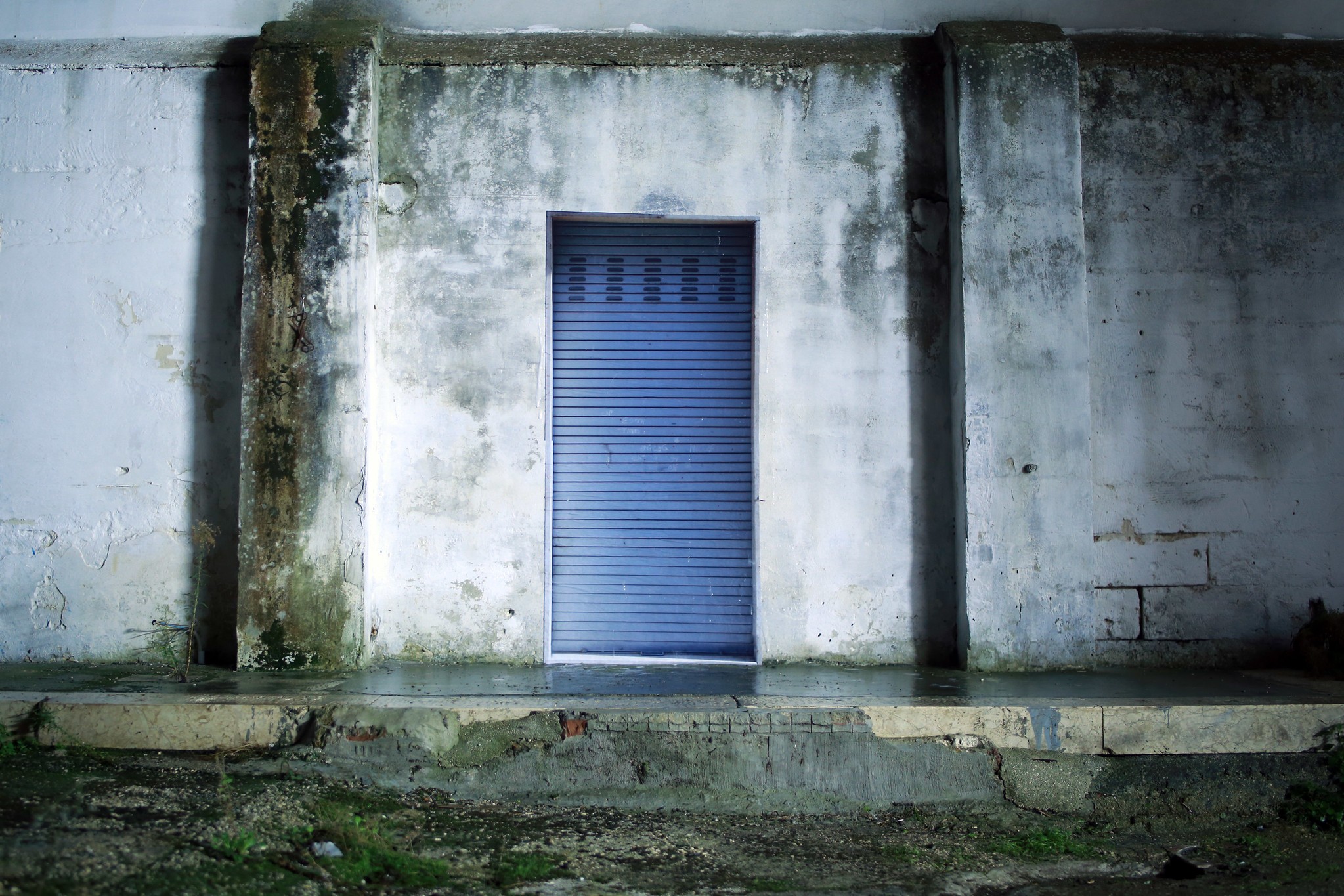
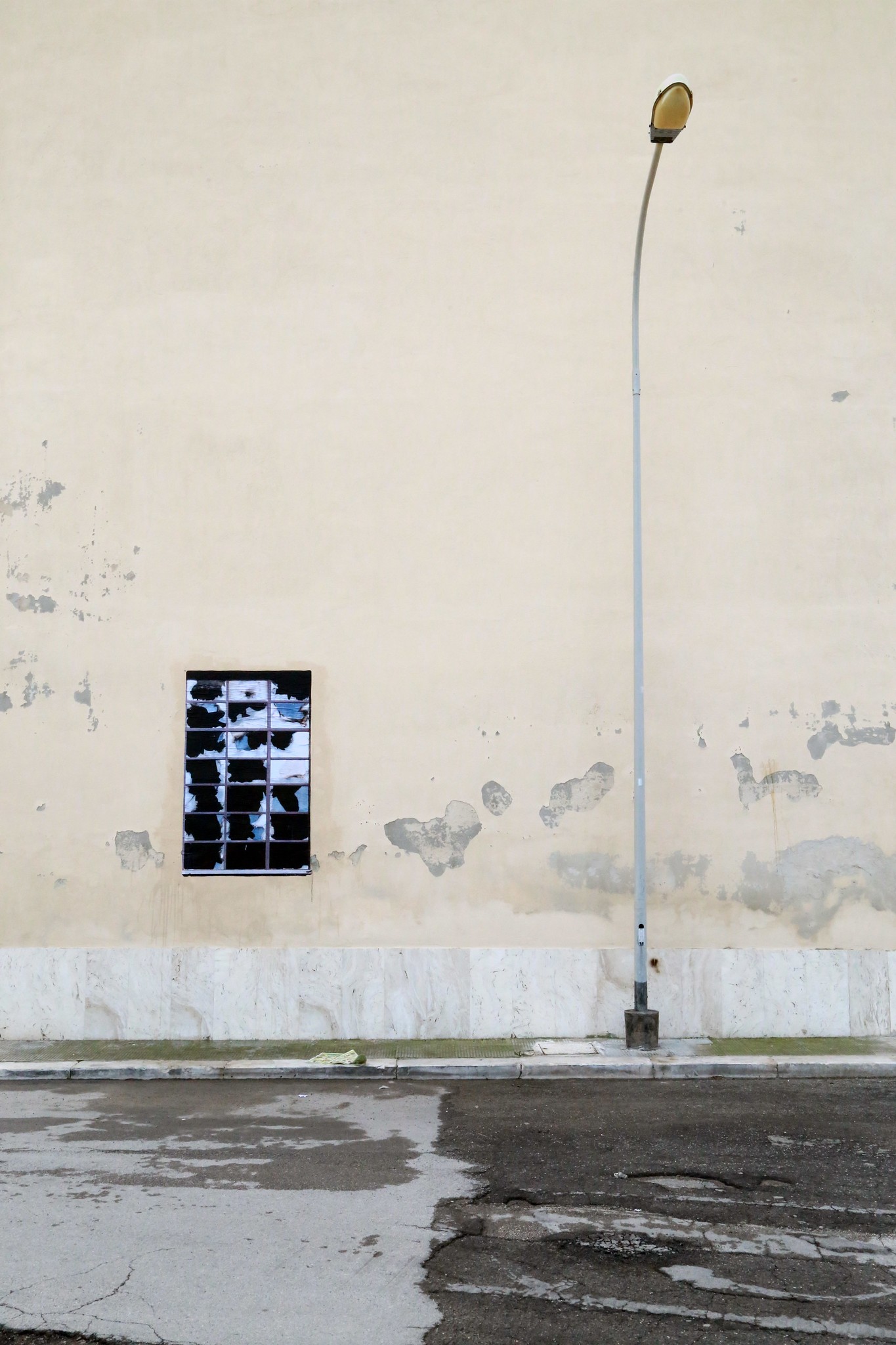
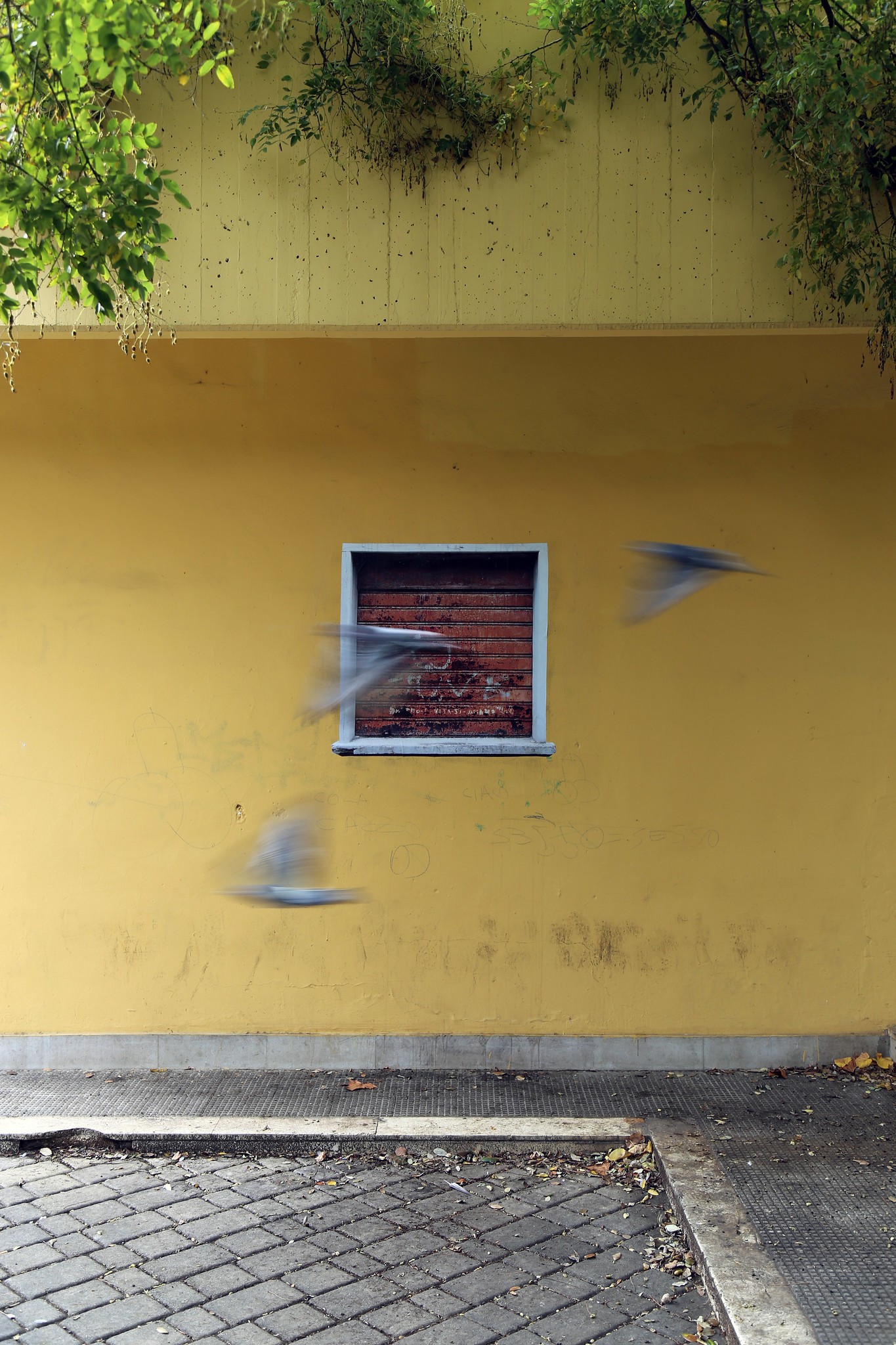
Dalla teoria di Wilson e Kelling, il nostro intervento effimero prende il nome: Finestre rotte. Esso mira, attraverso la sedimentazione di più linguaggi artistici – fotografia, trompe l’oeil architettonico e graffiti – a ripensare simbolicamente il diritto allo spazio pubblico: una finestra rotta è la causa o l’effetto di una situazione di disagio sociale e urbano? Perché una tag ci turba e ci indigna più di un qualsiasi cartellone pubblicitario, o di un manifesto elettorale?
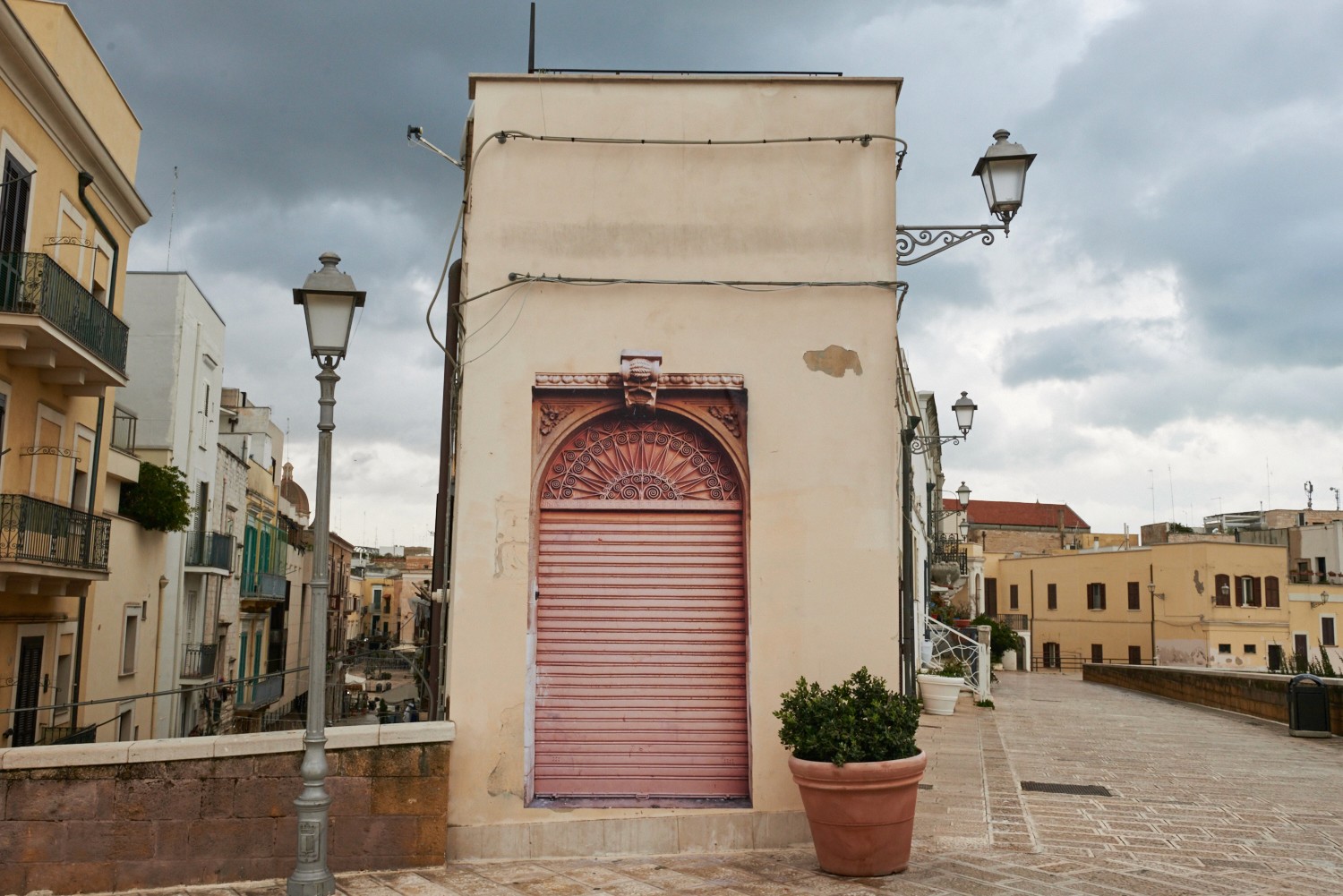
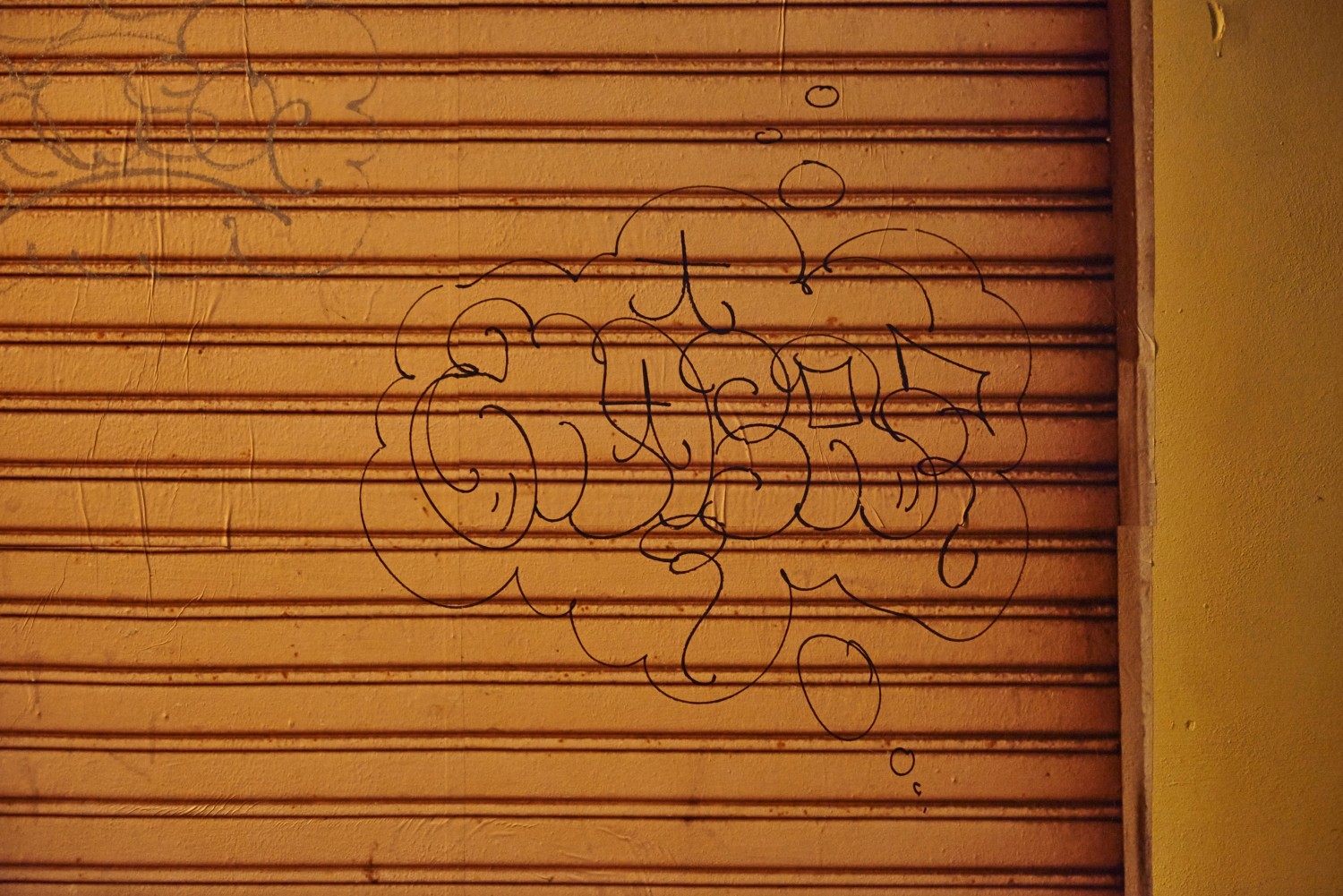
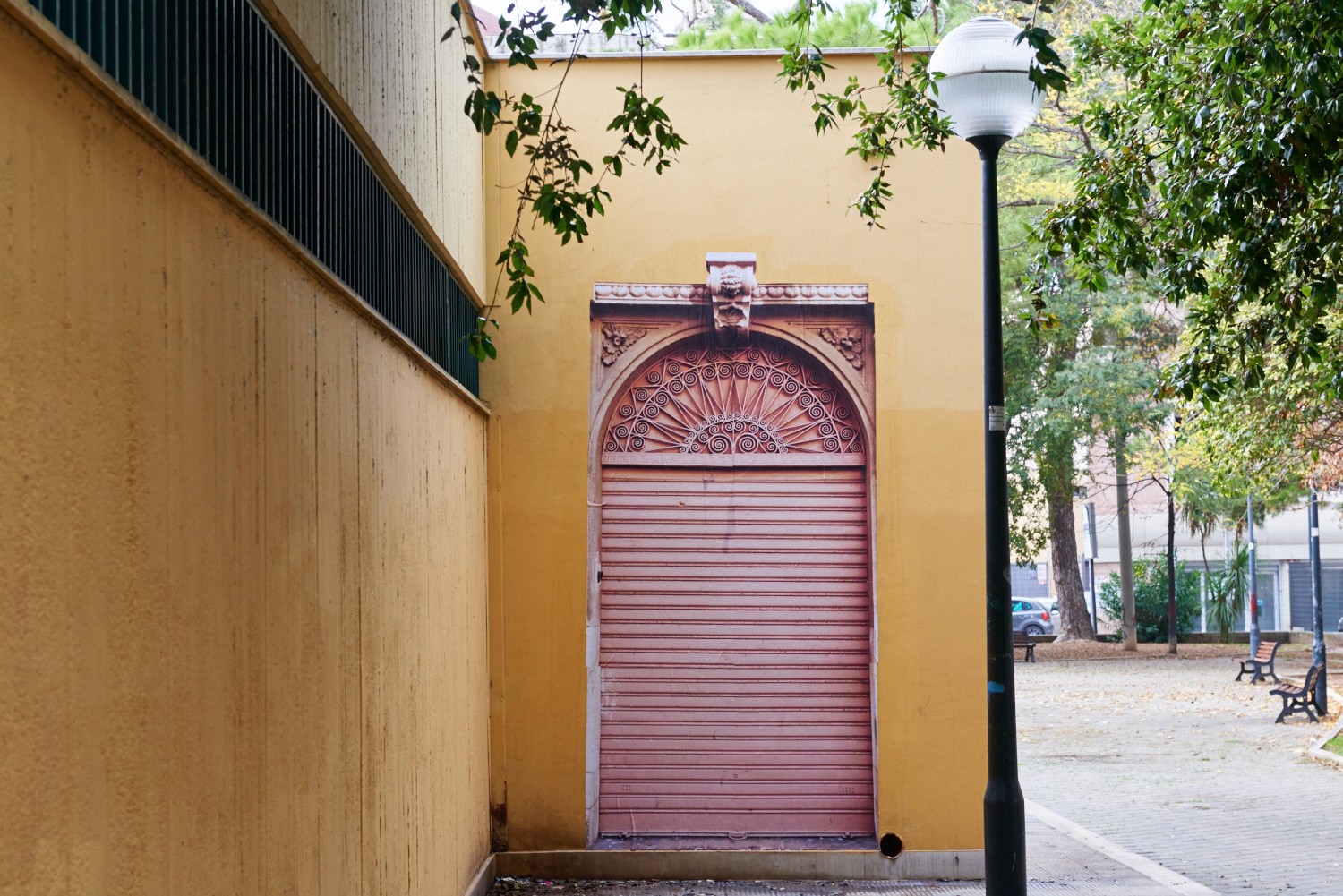
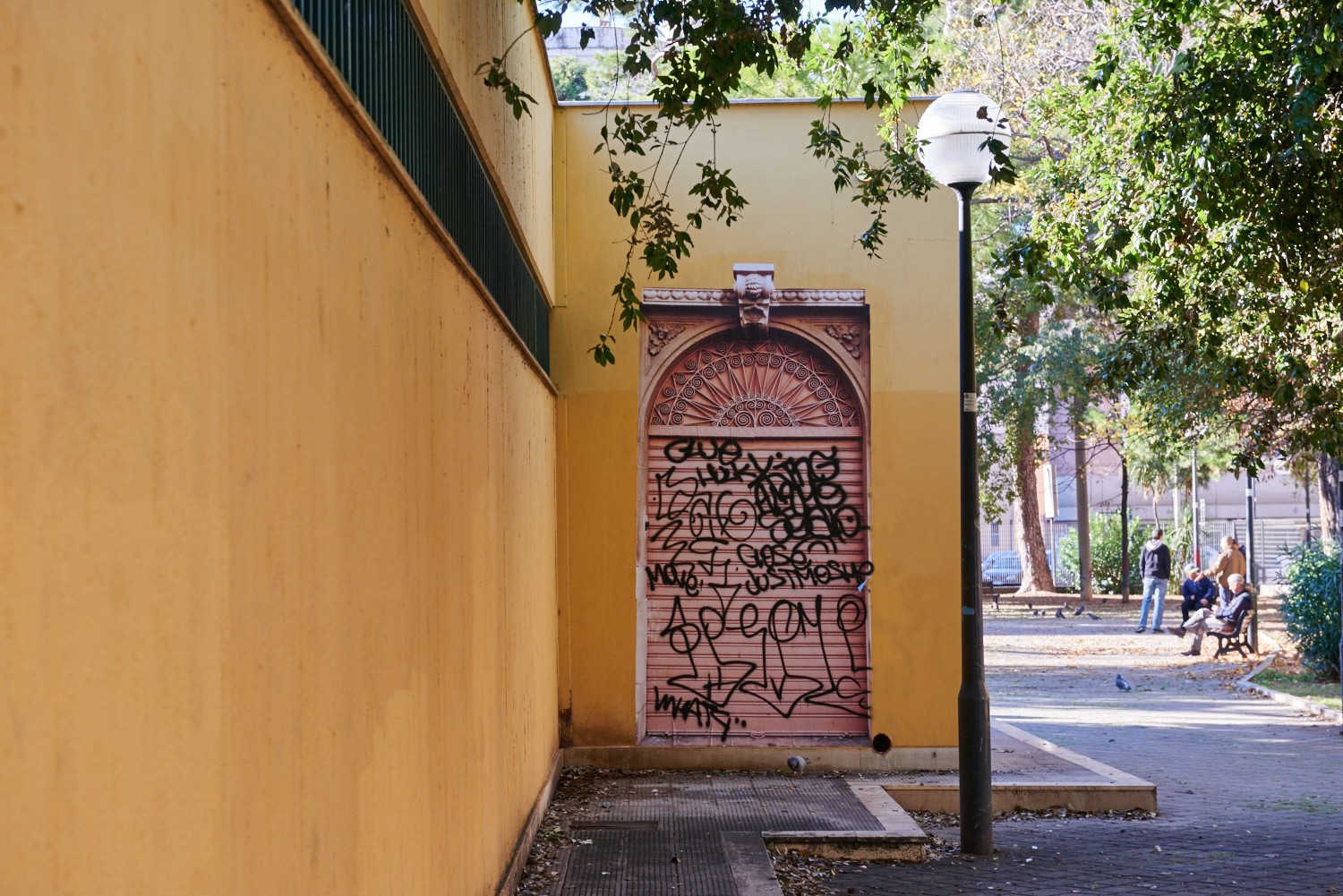
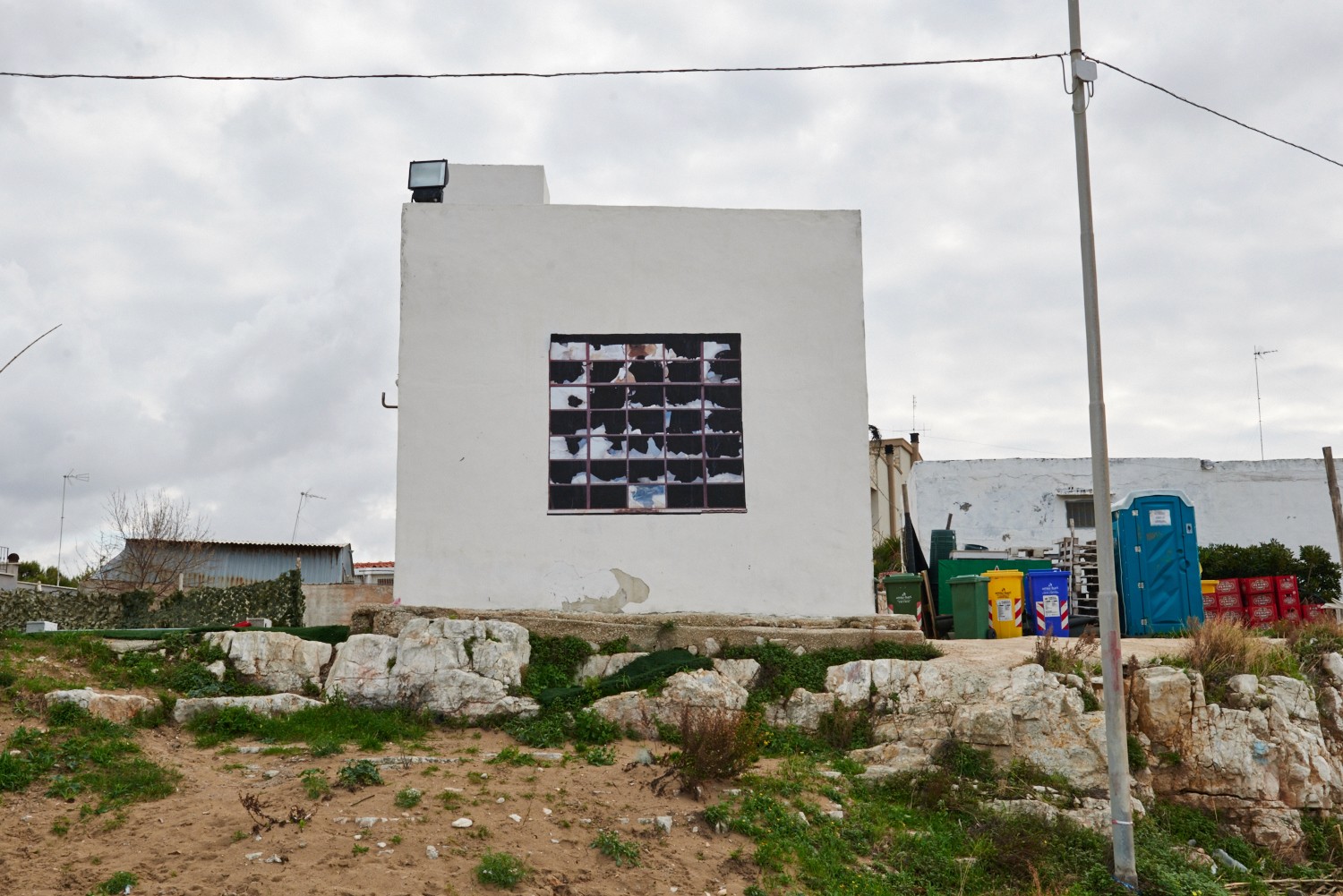
Facendoci queste e altre domande, abbiamo incollato alcuni poster fotografici a grandezza naturale, raffiguranti finestre dai vetri infranti, dalle tapparelle arrugginite o dalle ante sgangherate, sui muri di quartieri periferici come San Girolamo e San Giorgio. Ne abbiamo affissi altri, raffiguranti saracinesche di palazzi signorili, nel “salotto buono” cittadino, in centro e nella città vecchia. Queste finte saracinesche sono poi state “sporcate” con pennarelli e bombolette spray.
La nostra idea è di giocare con la percezione del disordine urbano: come reagiamo quando un nuovo elemento di disturbo spezza improvvisamente l’ordine quotidiano delle cose? E se quell’elemento, sia esso una finestra rotta o una saracinesca ricoperta di tag, si rivelasse frutto di un’illusione ottica? Se scoprissimo, poi, che quell’illusione di degrado è parte di un progetto artistico, che gode della cornice rassicurante di un’organizzazione come TEDx? Quel disordine, quella bruttura, diverrebbe improvvisamente più accettabile? Quella sporcizia sarebbe più “bella”, più rassicurante, più ordinata?
Vittorio Parisi
Does a clean wall mean a safer city? Yes, if we take at face value the fanciful Broken Windows Theory. According to James Q. Wilson and George Kelling, the two American criminologists who formulated it in 1982, individuals would be more inclined to commit crimes in poorly maintained urban areas. Signs of disorder and neglect — a broken window, a wall defaced with writing, or even the presence of beggars — would therefore lead to an increase in criminal activity.
In 1993, the theory inspired one of the most celebrated repressive campaigns against the homeless, unauthorised windscreen washers and graffiti writers, carried out by the then Mayor of New York Rudolph Giuliani, and known as "Zero Tolerance."
The most dangerous outcome of the Broken Windows Theory is precisely that of equating a minor infraction with a crime, and of punishing without possibility of appeal people belonging to the lowest social classes, by exploiting the fears of the "respectable" citizen and their perception of safety.
More than thirty years on, that same ideology of decorum continues to exert its appeal over Italian politicians and administrators, providing them with a shortcut to build consensus on the ever-growing fear of the other. Evidence of this is the recent Minniti Decree and its repressive public order measures, above all the so-called "urban ban."
From Wilson and Kelling's theory, our ephemeral intervention takes its name: Broken Windows. Through the layering of multiple artistic languages — photography, architectural trompe l'oeil and graffiti — it aims to symbolically rethink the right to public space: is a broken window the cause or the effect of a situation of social and urban hardship? Why does a tag disturb and outrage us more than any advertising billboard or electoral poster?
Asking ourselves these and other questions, we pasted a number of life-size photographic posters — depicting windows with shattered panes, rusted shutters or broken-down frames — onto the walls of peripheral neighbourhoods such as San Girolamo and San Giorgio. We put up others, depicting the roller shutters of grand buildings, in the city's "fine district," in the centre and in the old town. These fake shutters were then "defaced" with markers and spray cans.
Our idea is to play with the perception of urban disorder: how do we react when a new disruptive element suddenly breaks the everyday order of things? And what if that element — whether a broken window or a shutter covered in tags — turned out to be the product of an optical illusion? If we then discovered that this illusion of decay is part of an artistic project, one that enjoys the reassuring framework of an organisation like TEDx — would that disorder, that ugliness, suddenly become more acceptable? Would that dirt be somehow "prettier," more reassuring, more orderly?